
To build a dark academia wardrobe, focus on thrifting heavy natural fabrics like wool, corduroy, and tweed in an earth-toned palette (browns, grays, and forest greens), then layer them using a base shirt, knit vest, and structured blazer.
True dark academia is about embracing the weathered, imperfect look of a historic scholar rather than buying pristine, expensive new clothes.
The internet will tell you that a dark academia wardrobe requires expensive vintage pieces, perfect tailoring, and a massive budget. But true academia style isn’t about wearing a costume. It is about a mindset—appreciating history, literature, and a touch of gothic mystery.
Instead of copying the exact same look as everyone else on social media, you can build a more authentic, sustainable, and unique collection.
Here is a beginner-friendly approach to mastering the dark academia wardrobe.

How to Build a Dark Academia Wardrobe: 6 Steps
1. Look for “Imperfection” (The Anti-Aesthetic Approach)
Most guides tell you to buy pristine, high-end pieces. True academia is about looking like you spend your days in dusty libraries, not walking a fashion runway.
For a genuine history, seek out sweaters with slight piling or gently faded elbows. You should also purposefully mismatch your textures.
Instead of coordinating your browns perfectly, pair a cool-toned charcoal gray with a warm chocolate brown to look effortlessly thrown together.
Finally, embrace altered fits by buying oversized vintage jackets and leaving them slightly slouchy rather than tailoring everything to a sharp, modern silhouette.
2. Source from Unexpected Places (Beyond the Thrift Store)
Everyone knows to check local thrift shops for tweed blazers, which has driven up prices. To find truly unique pieces on a budget, expand your search radar to estate sales.
Here you can look for closets of retired academics, professors, or historians to find high-quality, authentic vintage wool and leather for a fraction of store prices.
Military surplus stores are another goldmine, offering excellent heavy-duty wool trench coats, structured trousers, and durable leather boots that fit the dark aesthetic perfectly.
Do not overlook family closets either, as asking older relatives for old sweaters, watches, or scarves adds sentimental value to the storytelling nature of your style.
3. Prioritize Weight and Scent Over Brand Names
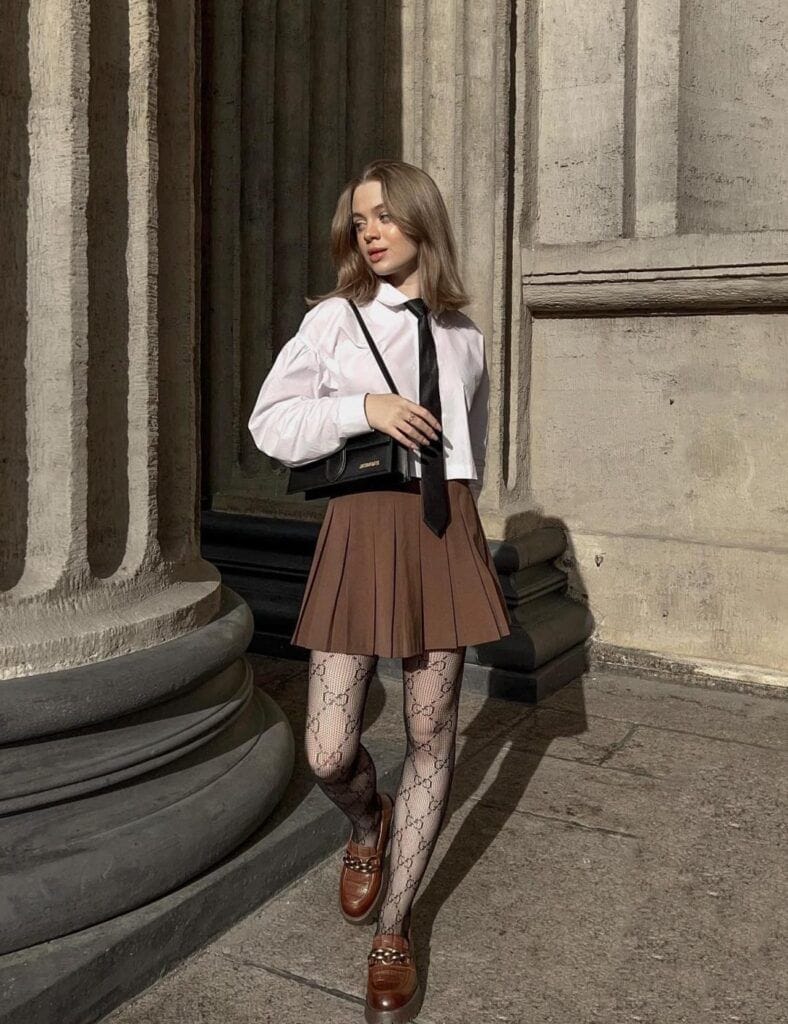
When building this wardrobe, your senses are your best guide because synthetic modern fabrics often look cheap and lack the drape needed for this silhouette.
Use the weight test by holding a garment in your hands. If it feels heavy and substantial, it will hang correctly and last for decades.
Stick strictly to natural fibres like wool, cotton, corduroy, linen, and silk. You should also learn not to be afraid of the musty vintage scent.
A good dry clean or a few days airing out in the sun fixes the smell, but the aged patina of the fabric cannot be replicated by modern fast fashion.
4. Establish a 5-Piece Starter Capsule
If you are starting from absolute scratch, avoid the overwhelm of buying a whole new closet by prioritizing just five versatile foundational items.
Seek out one crisp white Oxford button-up shirt, one chocolate brown ribbed turtleneck, one pair of charcoal grey wool trousers, one pleated plaid skirt or houndstooth slacks, and one oversized tweed blazer.
These five specific pieces can be endlessly mixed and matched into multiple distinct outfits, giving you a highly functional, deeply academic wardrobe without requiring a massive upfront financial investment.
5. Use the 3-Layer Rule for Visual Depth
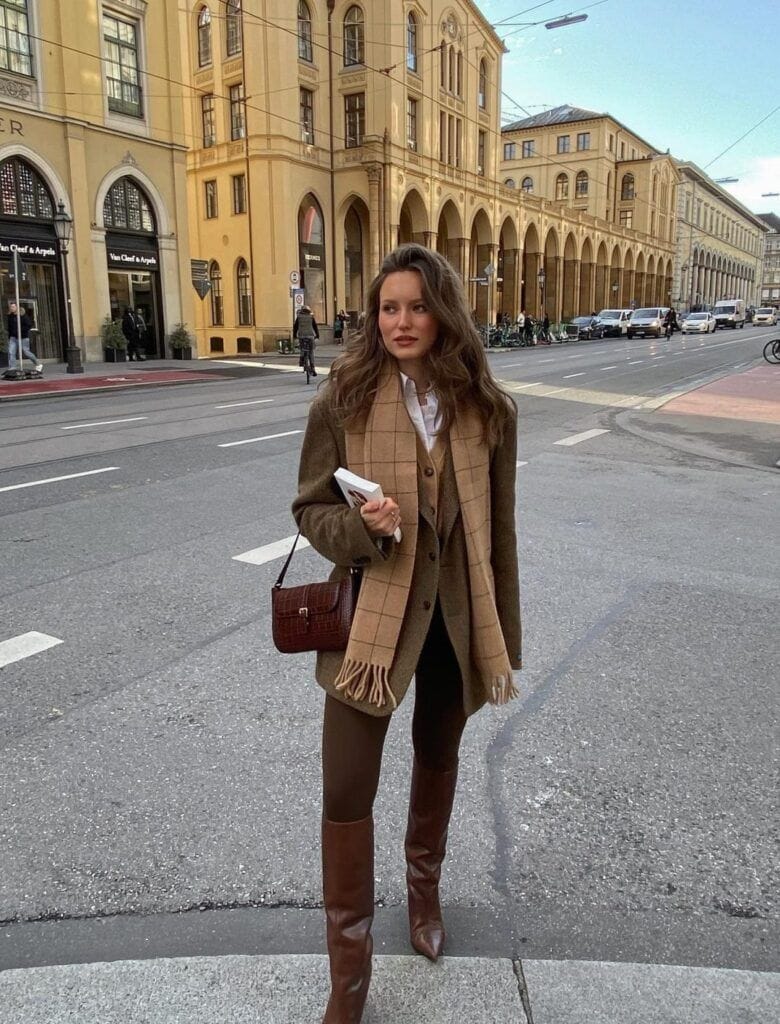
Dark academia relies heavily on layering. To keep it functional and visually interesting without overheating, use a deliberate three-tier formula.
Your base layer should consist of a breathable, light cotton button-up shirt or a thin ribbed turtleneck.
Over this, add a mid-layer such as a lightweight knit vest, a buttoned cardigan, or a lightweight V-neck sweater.
Finish the outfit with an outer layer, which should be a heavy structured blazer, a trench coat, or a long wool overcoat.
| Layer | Material Recommendation | Purpose |
|---|---|---|
| Base | 100% Breathable Cotton | Keeps you comfortable all day |
| Mid | Merino Wool or Cashmere Blend | Adds depth and warmth without bulk |
| Outer | Heavy Tweed or Structured Corduroy | Defines the silhouette and blocks the wind |
6. Focus on Three Subtle “Intellectual” Details
You do not need an entire wardrobe of clothes to look the part. Investing in just three key details can turn a simple outfit into a dark academia statement.
First, wear a timeless timepiece, specifically a small, square or round analog watch with a worn leather strap while avoiding smartwatches completely.
Focus your search on legacy, budget-friendly analog watch brands like vintage Casio leather tanks, Timex, or Seiko to get an authentic look.
Second, carry a structured bag like a scuffed leather satchel or a brief-style backpack that can actually hold books.
Third, accessorise with reading glasses. Even if you do not need a prescription, classic tortoiseshell or thin metal-framed wire glasses instantly elevate the scholarly vibe.

Things to Consider When Building a Dark Academia Wardrobe
Before rushing out to acquire new pieces, you must evaluate how this historic aesthetic fits into your daily modern life.
First, consider your local climate and personal comfort. Dark academia is inherently a cold-weather aesthetic built on heavy layering, meaning you will need to actively seek out breathable cotton blends, lightweight linens, and silk shirts if you live in a warmer region.
Second, think about maintenance and garment care. True vintage wool, tweed, and structured leather cannot simply be thrown into a standard washing machine, so you must be prepared to invest time in spot-cleaning, air-drying, and budgeting for occasional dry cleaning.
Finally, assess your current lifestyle requirements. If your daily routine involves intense physical activity or strict corporate dress codes, look for subtle ways to inject the theme through accessories like vintage watches and structured bags rather than forcing a full, impractical uniform into your day-to-day schedule.
[Read: What Is Dark Academia Fashion? Ultimate Aesthetic Guide]

Your Next Step: Start Small
Building a dark academia wardrobe is not a race to buy a new aesthetic overnight; it is an ongoing curation of pieces that carry a sense of history.
Do not feel pressured to find everything at once. Start by visiting just one yard sale or thrift store looking for a single vintage watch or blazer that feels right to you.
Lean into the imperfections, let your style evolve naturally, and remember that the most authentic academic look is one that looks lived-in and loved.
1 thought on “The Ultimate Guide to Building a Dark Academia Wardrobe for Beginners”
Comments are closed.